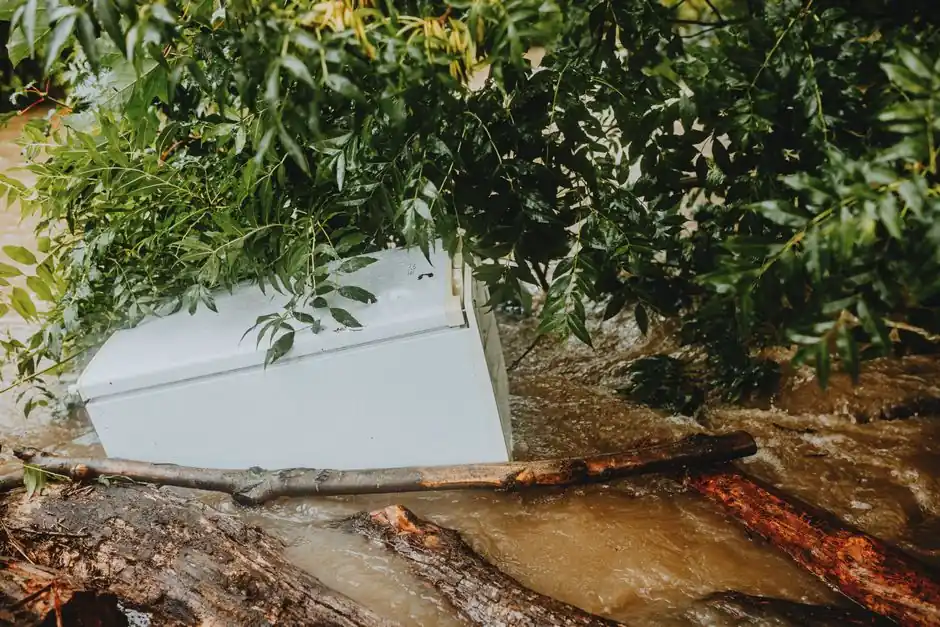
Water damage can strike unexpectedly, leaving homeowners in a state of confusion over how to respond. Understanding the distinctions between water mitigation and restoration is crucial, especially when it comes to navigating insurance claims. This article will clarify these terms and explain what your insurance may cover in Fairfax, Virginia.
Understanding Water Mitigation and Restoration
Water mitigation refers to the immediate actions taken to reduce the severity of water damage. This includes removing standing water, drying out affected areas, and preventing further damage. On the other hand, water restoration involves the complete process of repairing and restoring the property after the damage has occurred. This often includes repairs to structural elements, drywall replacement, and restoring personal belongings.
Key Differences Between Mitigation and Restoration
The primary difference between water mitigation and restoration lies in their purpose and timing. Mitigation is focused on minimizing damage immediately after a water event, while restoration aims to bring the property back to its pre-damage condition. Here are some key points to consider:
- Mitigation: Involves emergency services, such as Emergency Water Extraction Fairfax VA, to prevent further damage.
- Restoration: Involves repairs and replacements after the initial damage has been controlled.
- Timing: Mitigation should occur as soon as possible, whereas restoration can take place after mitigation is complete.
Insurance Coverage for Water Damage
Understanding what your insurance covers is essential for homeowners dealing with water damage. Most standard homeowners insurance policies cover water damage resulting from sudden and accidental incidents, such as a burst pipe or a malfunctioning appliance. However, coverage for flooding or gradual leaks may require additional policies or endorsements.
In Fairfax, many homeowners find themselves navigating the complexities of insurance claims. It is advisable to review your policy carefully and consult with a professional to ensure you understand your coverage limits. If you encounter water damage, contacting a local expert can help you determine what services you may need and how to file a claim effectively.
Factors Influencing Insurance Claims
Several factors can influence the outcome of your insurance claim for water damage:
- Type of Damage: Claims for sudden incidents are generally more straightforward than those for long-term issues.
- Documentation: Providing detailed evidence of the damage and the mitigation efforts can strengthen your claim.
- Policy Limits: Be aware of your policy's limits and exclusions, as these can affect your compensation.
In Fairfax, working with professionals who understand local regulations and insurance processes can help streamline your claim.
Common Mistakes to Avoid
When dealing with water damage and insurance claims, homeowners often make common mistakes that can hinder their recovery process. Here are some pitfalls to avoid:
- Delaying Action: Waiting too long to begin mitigation can lead to more extensive damage and higher costs.
- Inadequate Documentation: Failing to document the damage and the mitigation process can weaken your claim.
- Ignoring Policy Details: Not understanding your coverage can lead to unexpected out-of-pocket expenses.
By being aware of these mistakes, you can better prepare yourself for the challenges that may arise during the recovery process.
When to Call a Professional
If you experience significant water damage, it is crucial to call a professional immediately. Fairfax Water Damage Experts can assess the situation, provide emergency services, and guide you through the insurance claims process. Addressing water damage promptly can save you time and money in the long run.
Frequently Asked Questions
What is the difference between water mitigation and restoration?
Water mitigation focuses on reducing immediate damage, while restoration involves repairing and restoring the property after the damage has been controlled.
Does homeowners insurance cover water damage?
Most homeowners insurance policies cover sudden and accidental water damage, but coverage for flooding or gradual leaks may require additional policies.
How quickly should I act after water damage?
Acting quickly is essential. Begin mitigation efforts within 24 to 48 hours to prevent mold growth and further damage.
Can I handle water damage cleanup myself?
While minor issues can be managed by homeowners, significant water damage often requires professional assistance to ensure proper cleanup and restoration.
What should I document for my insurance claim?
Document all damage with photos, keep records of all communications with your insurer, and retain receipts for any mitigation efforts.
Get Help with Water Damage Restoration in Fairfax
If you need immediate assistance with water damage in Fairfax, don't hesitate to reach out. Our team at Fairfax Water Damage Experts is ready to help you navigate the restoration process and work with your insurance. Call us today at (571) 702-0292.